“Crew was very professional! Matt kept us updated during the entire process! Great job!”
EG
Edward Gibson
View on GoogleNewer subdivisions and a three-hundred-year-old village in the same fifteen square miles — the right paint job depends on which half of town you are in.
Tinton Falls is older than almost anywhere else in this part of New Jersey and younger than most of its neighbors at the same time. The falls themselves powered Lewis Morris's Tinton Manor ironworks, which by 1676 was a going concern with a mill, a forge and storehouses — among the first ironworks built anywhere in the colonies — and the Old Mill at Tinton Falls, built that same year, went on the National Register in 1973. The Crawford House, home to four generations of a family that ran a butcher business on the property for the better part of a century, was acquired by the borough in 1999 and opened to the public in 2017. Yet the municipality itself is modern: it was formed in 1950 as the Borough of New Shrewsbury and only took the name Tinton Falls in 1975. So you have a borough with a seventeenth-century industrial village at its core and several square miles of late-twentieth-century subdivisions wrapped around it, and no single approach to painting covers both.
That split runs straight through the housing stock, and it is the single most useful thing to know before quoting a job here. Over a quarter of the borough's fifteen square miles is residential, and the great majority of the single-family housing sits in relatively recent subdivisions with curving streets and cul-de-sacs — Tinton Pines went up between 1984 and 1996, and K. Hovnanian's Society Hill was developed from 1988 with more than three hundred residences. The exception is the northeast corner, which is laid out on a traditional grid with older houses on it. Newer construction means vinyl and fiber-cement siding, engineered trim and, for the most part, straightforward prep; the older grid and the village mean painted wood trim with generations of coats on it and the slow hand work that goes with it. Knowing which side of that line your house falls on changes the scope, the schedule and the price, which is why our free estimate here always starts with the build date rather than the square footage.
Painting a 1990s subdivision house well is its own discipline, and it is not the same as painting an old one. Chalked vinyl has to be washed and tested for adhesion before a drop of paint goes on it, and the color has to be vinyl-safe or the siding will cup in the first hot August. Builder-grade aluminum-clad windows and factory-finished garage doors each want a different primer. We work through that surface by surface rather than spraying the house one product, and we use premium Sherwin-Williams and Benjamin Moore lines matched to the substrate. Our free estimate tells you which parts of the exterior genuinely need work this year and which can wait, which on a well-built 1990s house is often most of it. Cedar-shake accent gables and the wood trim around a front entry are usually the two places where the money actually needs to go.
Inside those same houses the pattern is remarkably consistent: flat builder-grade paint on every wall, a two-story foyer nobody has touched since closing, and a kitchen full of honey-oak cabinets from the original build. All three are solvable. We have the staging for tall foyers and stairwells, we repaint in scrubbable premium finishes that survive a family, and cabinet refinishing turns those oak kitchens into something factory-smooth and current for a fraction of the cost of replacement. Painted oak trim is its own decision, and one worth talking through before committing, because the grain will telegraph through a finish coat unless it is filled and primed properly first. Add an epoxy garage floor or a basement repaint and one company handles the whole list on one schedule, with one point of accountability instead of three trades pointing at each other. NJ Painting Co. is family-owned, licensed and fully insured, more than twenty years in business and based in Morganville just up the road, with free estimates, an in-home color consultation and a two-year workmanship warranty.
We also have dedicated pages on kitchen cabinet painting in Monmouth County, exterior painting in Monmouth County and interior painting in Monmouth County.
Nearby Towns We Serve
Guides for Tinton Falls Homeowners
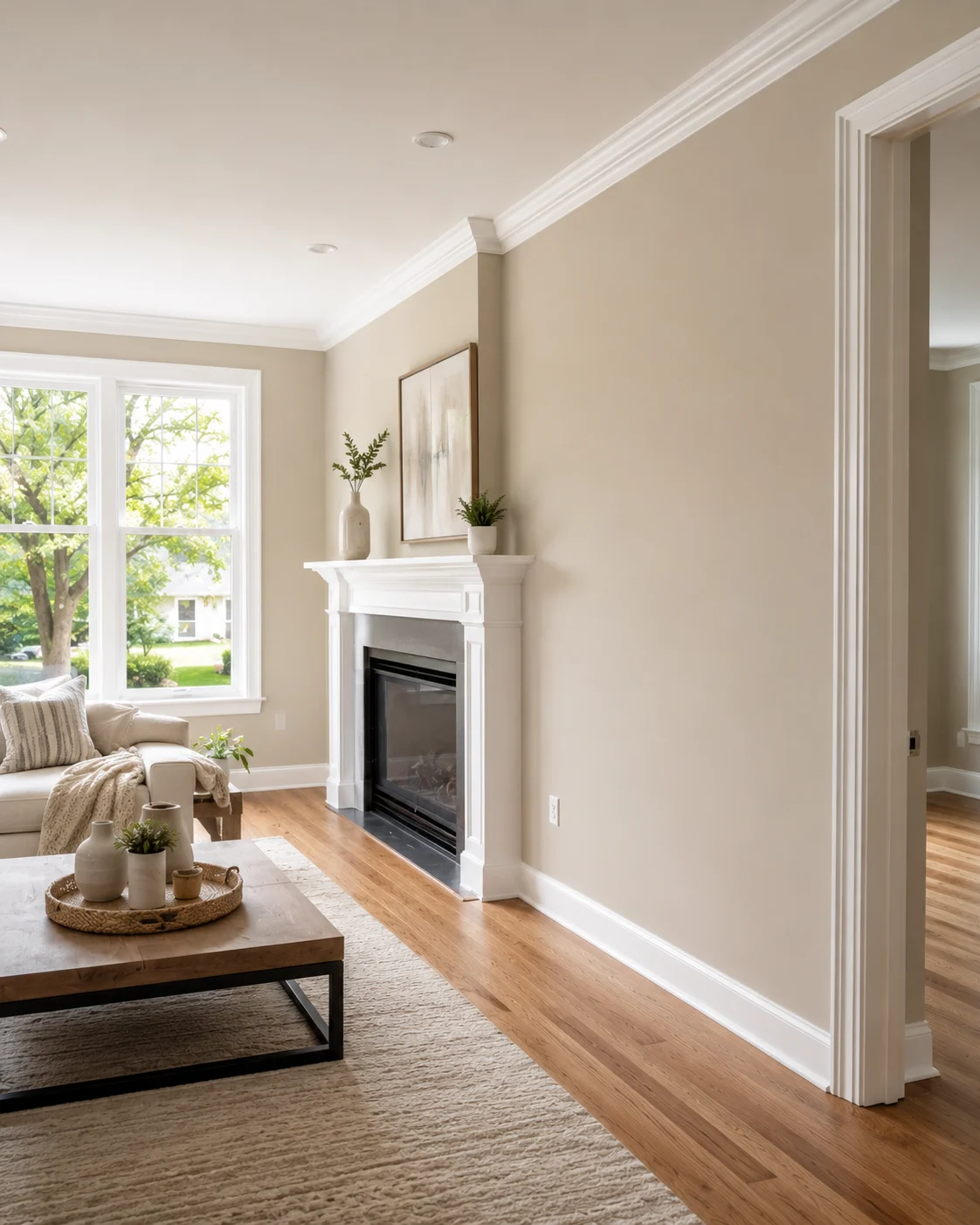
From a single room to a full exterior, every project in Tinton Falls is backed by proper prep, premium Benjamin Moore and Sherwin-Williams paints, and a final walkthrough.
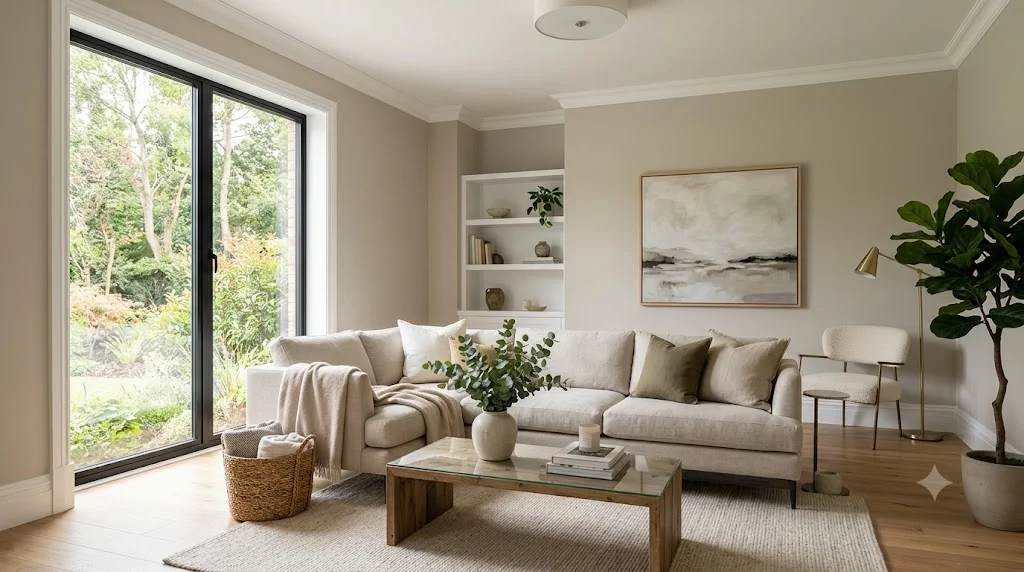
Flawless wall, trim, and ceiling finishes with a free color consultation and zero-mess cleanup.
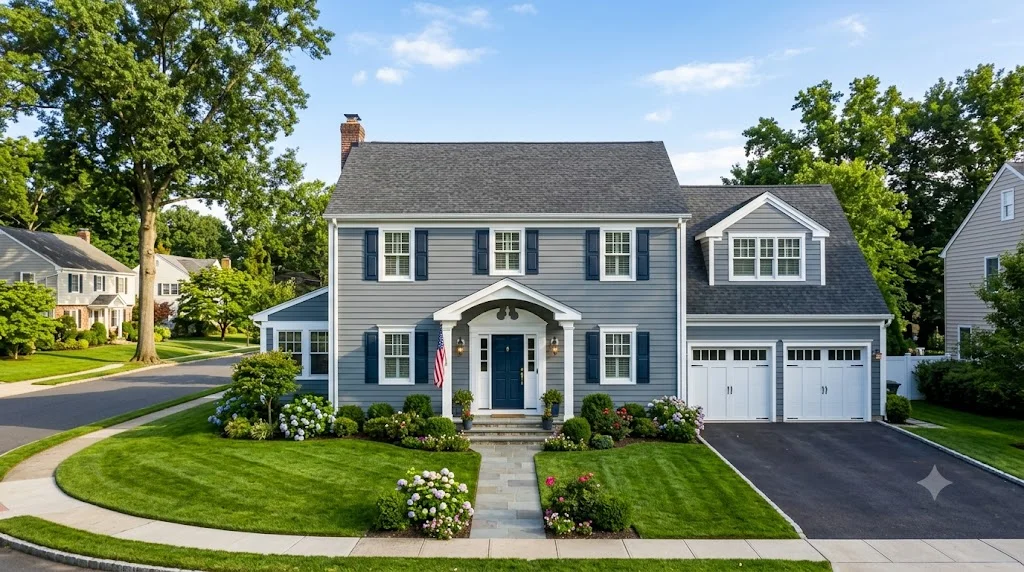
Durable, weather-resistant coatings and full surface prep built to stand up to NJ seasons.
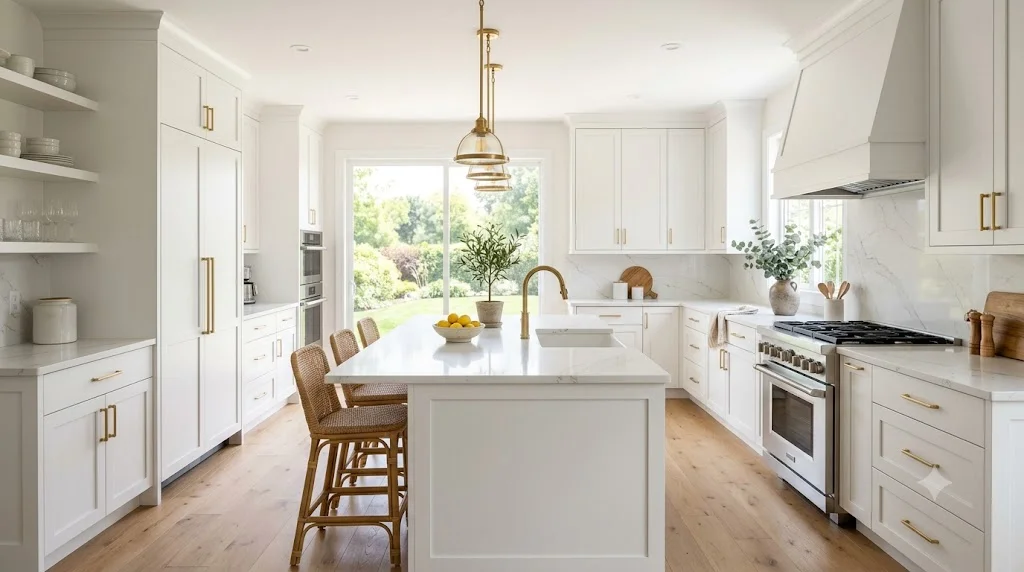
A high-end kitchen or bath look with a factory-smooth finish — for a fraction of replacement.
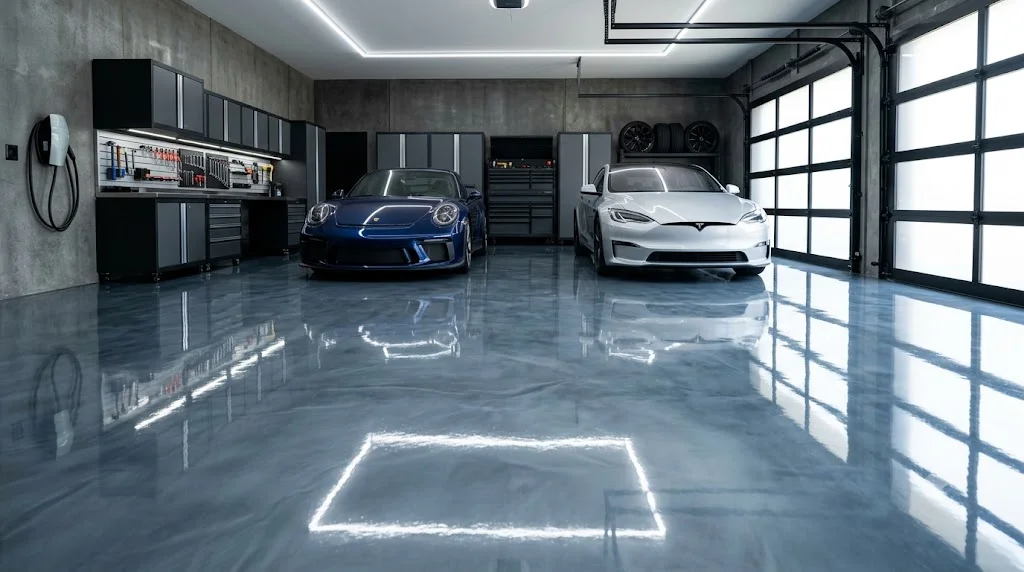
High-gloss, industrial-strength epoxy coatings for garages, basements, and commercial floors.
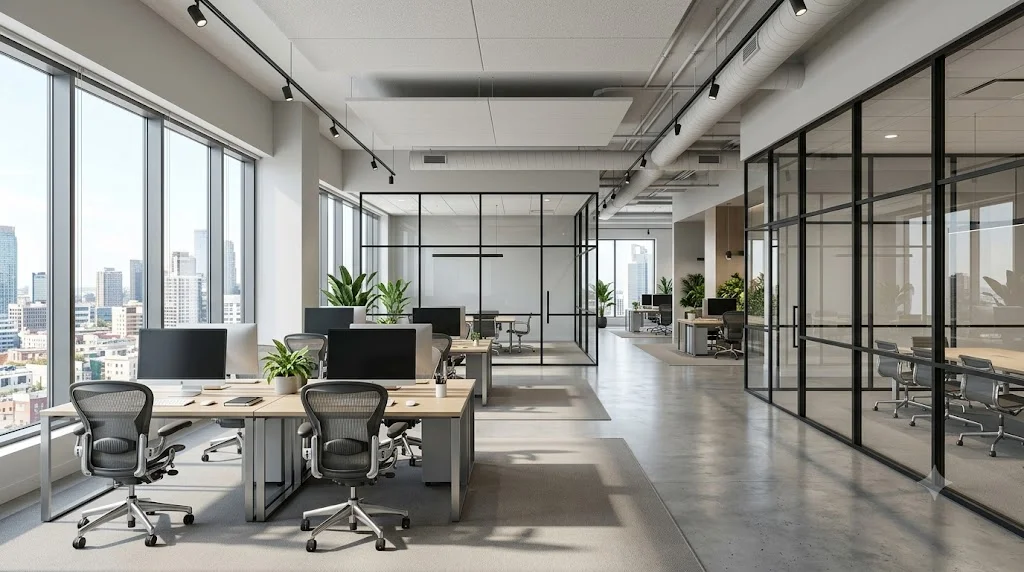
Minimal-downtime painting for offices, retail, and commercial buildings — on your schedule.
“Crew was very professional! Matt kept us updated during the entire process! Great job!”
Edward Gibson
View on Google“I can't say enough about Matthew, Mustafa, Fico et al. They were considerate, professional, and some of the greatest people I've had the pleasure of meeting. They treated my home like their own. They were patient with my requests and so pleasant to work with. I had gotten 3 different estimates for the work, they were all in the same ballpark, however NJ Painting offered a free consultation with an interior designer that was incredible. I went with all her suggestions and my house looks great! I could not be more satisfied with the outcome.”
Maria C Fani
View on Google“What a great experience! I was moving into my new home and needed the painting done prior to the move. I called NJ Painting on a Thursday and they came out, provided a great price, and then completed the entire job in one day. Super responsive. Professional workmanship. Will absolutely use them and refer to others.”
Matt Blumenstein
View on GoogleEverything you need to know about estimates, scheduling, and getting your home or business professionally painted.
Absolutely. NJ Painting Co. is a family-owned, fully licensed and insured painting company, and we can provide a certificate of insurance for any job in Tinton Falls.
Yes. Every estimate in Tinton Falls is completely free and comes with no obligation. We visit your home or business, assess the space, and provide transparent, itemized pricing along with a free color consultation.
We handle interior and exterior painting, cabinet refinishing, epoxy floor coatings, and commercial painting for homeowners and businesses throughout Tinton Falls.
Because we are locally based in Morganville, we can usually schedule your free estimate within a few days and lock in a start date that works for you. Reach out and we'll find the soonest available slot for Tinton Falls.
Can't find the answer you're looking for? Give us a call or send a message.
Every project starts with a free on-site estimate and a professional color consultation — across Monmouth County and beyond.