“Very professional staff . The team started on time, was very neat and clean. Communication throughout the entire process was clear and easy. We will certainly use NJ Painting again and highly recommend them”
jg
jill gelman
View on GoogleThe Kings Highway side of Middletown — post-war capes and split-levels, painted by a crew that knows what is under the trim.
New Monmouth is a neighborhood of Middletown Township in Monmouth County, not a municipality of its own. The settlement was known as Chanceville by 1815 and renamed New Monmouth in the 1850s, and the township's history records that the Roman Catholic Church in Middletown was founded at New Monmouth in 1879; St. Mary's parish dates its founding to that year. New Monmouth has no ZIP code of its own. Middletown is split across nine ZIP areas, of which 07748 covers the largest share of the township.
The Census Bureau does not publish figures for New Monmouth on its own, so the closest measure is the township. Its American Community Survey for 2020 to 2024 counts about 25,700 homes in Middletown and makes the 1950s the busiest decade, with 23 percent of them. Two homes in three, 66 percent, were built before 1980, and 10 percent before 1940. Middletown's own history describes a post-war building boom in which the population exploded and the township turned from rural to suburban in the third quarter of the twentieth century. New Monmouth is not one of Middletown's five designated historic districts, so there is no Landmarks Commission review here.
On a post-war house, the trim is the whole exterior job. The usual pattern on a house of that era is a modest original footprint, often a later addition, aluminum or vinyl siding over the original wood, and painted wood trim, soffits and fascia that never got covered. We spend our prep time there, scraping, spot-priming bare wood, caulking the joints that move and pointing out soft wood at a fascia end rather than painting over it. Vinyl gets a vinyl-safe color, because a dark color on south-facing vinyl can warp the panels in the first hot summer. Indoors, original casings and doors often carry many layers going back to oil, so a bonding primer goes on before any waterborne finish, and floors and furniture are covered and the work area cleaned each day.
Those layers are exactly what the federal lead rule is about. Federal law, in the EPA's Renovation, Repair and Painting rule, requires firm certification for paid work that disturbs over twenty square feet of exterior paint, or over six square feet in any one room, on housing built before 1978. NJ Painting Co. is not EPA Lead-Safe Certified, so where a New Monmouth house needs old paint scraped or sanded past those limits, it needs a contractor who is, and we will say so at the estimate rather than halfway through.
Kitchens here are often original boxes with solid doors and a tired finish, which makes cabinet refinishing good value, and attached garages suit an epoxy floor. Because so many houses were extended, we also match sheen and finish across an addition and the original rooms. NJ Painting Co. is family-owned and based in Morganville, and every New Monmouth estimate is free.
We also have dedicated pages on kitchen cabinet painting in Monmouth County, exterior painting in Monmouth County and interior painting in Monmouth County.
Nearby Towns We Serve
Guides for New Monmouth Homeowners
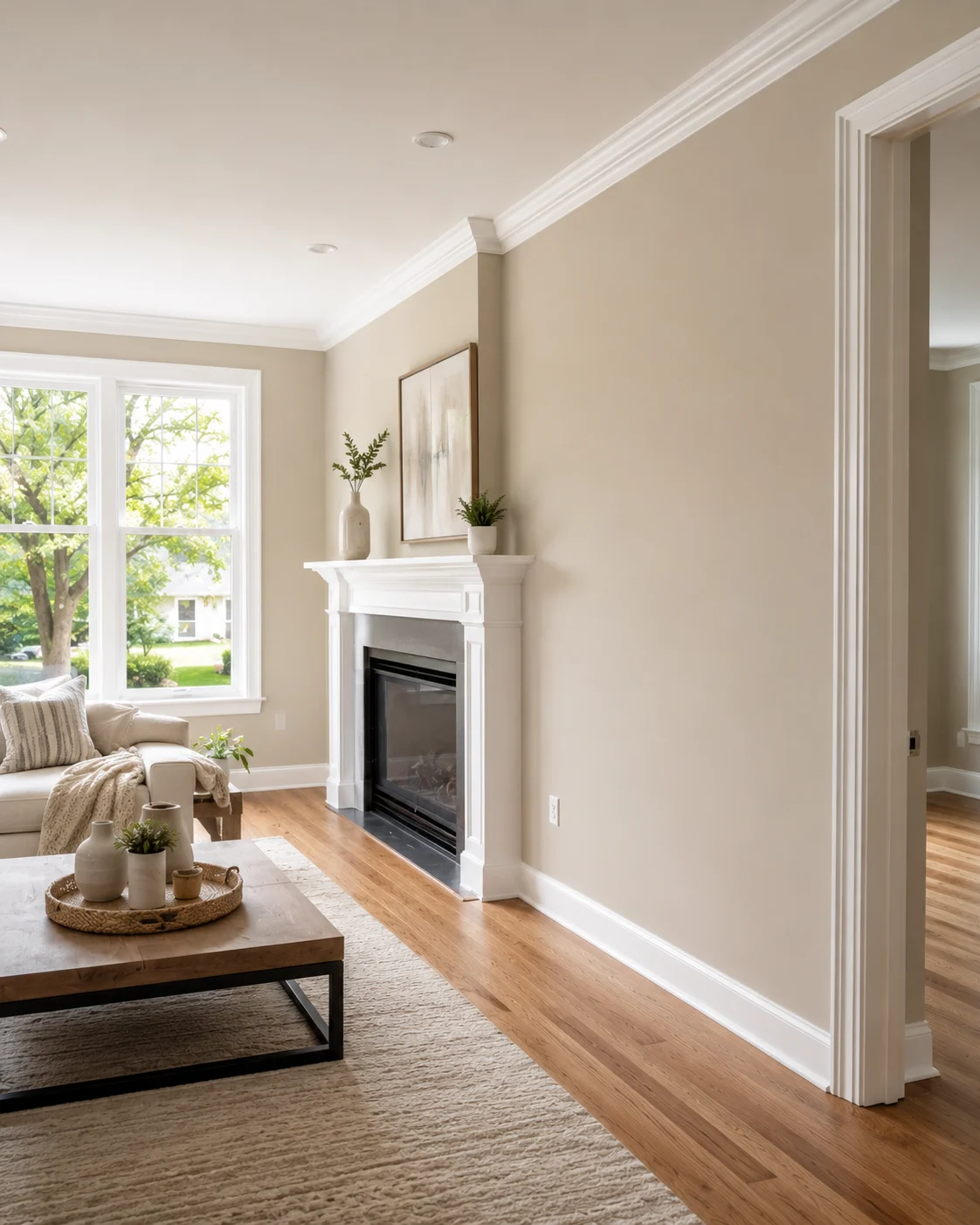
From a single room to a full exterior, every project in New Monmouth is backed by proper prep, premium Benjamin Moore and Sherwin-Williams paints, and a final walkthrough.
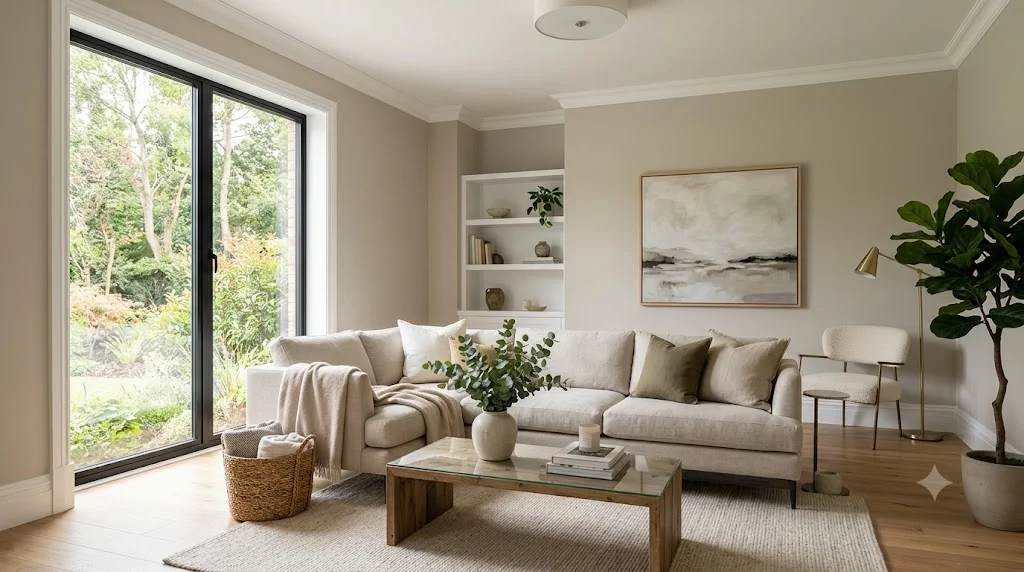
Flawless wall, trim, and ceiling finishes with a free color consultation and zero-mess cleanup.
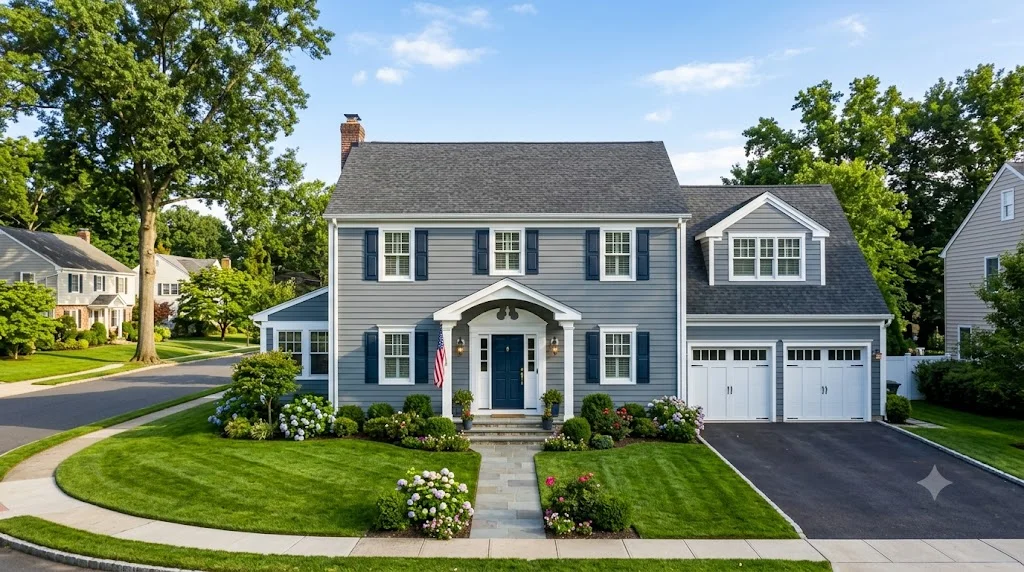
Durable, weather-resistant coatings and full surface prep built to stand up to NJ seasons.
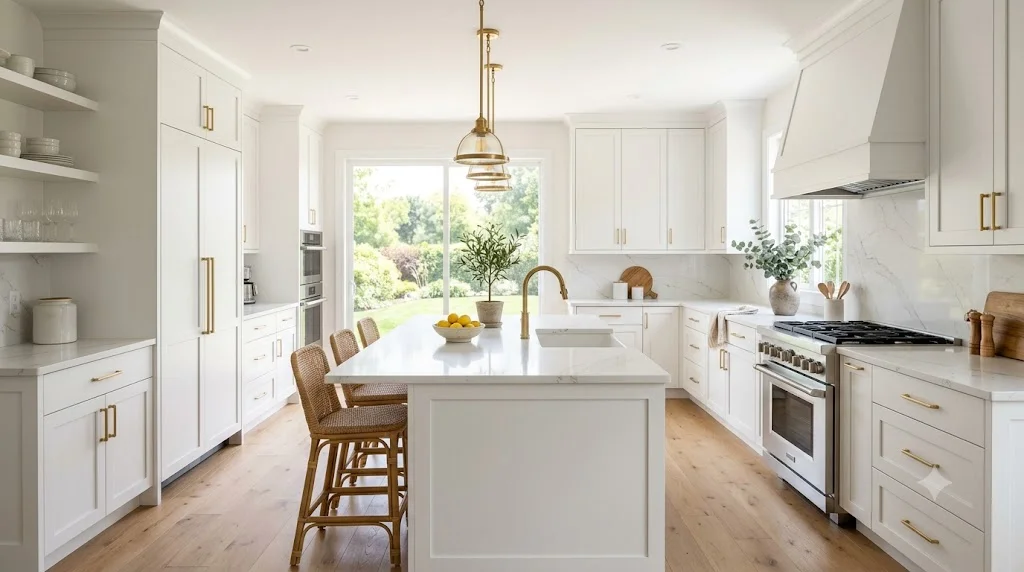
A high-end kitchen or bath look with a factory-smooth finish — for a fraction of replacement.

High-gloss, industrial-strength epoxy coatings for garages, basements, and commercial floors.

Minimal-downtime painting for offices, retail, and commercial buildings — on your schedule.
“Very professional staff . The team started on time, was very neat and clean. Communication throughout the entire process was clear and easy. We will certainly use NJ Painting again and highly recommend them”
jill gelman
View on Google“Crew was very professional! Matt kept us updated during the entire process! Great job!”
Edward Gibson
View on Google“I can't say enough about Matthew, Mustafa, Fico et al. They were considerate, professional, and some of the greatest people I've had the pleasure of meeting. They treated my home like their own. They were patient with my requests and so pleasant to work with. I had gotten 3 different estimates for the work, they were all in the same ballpark, however NJ Painting offered a free consultation with an interior designer that was incredible. I went with all her suggestions and my house looks great! I could not be more satisfied with the outcome.”
Maria C Fani
View on GoogleEverything you need to know about estimates, scheduling, and getting your home or business professionally painted.
No. New Monmouth is a neighborhood of Middletown Township, and it is not among the township's five designated historic districts (Chapel Hill, Locust, Monmouth Hills, Navesink and Middletown Village), so there is no Landmarks Commission review here. It has no ZIP code of its own either; Middletown is split across nine ZIP areas, and 07748 covers the largest share.
The Census Bureau does not publish New Monmouth figures on their own, so the nearest measure is Middletown Township. Its 2020 to 2024 American Community Survey makes the 1950s the busiest decade, with 23 percent of about 25,700 homes, and puts 66 percent before 1980. On those post-war houses the painted wood trim, soffits and fascia are usually most of the exterior job.
Yes. Every estimate in New Monmouth is completely free and comes with no obligation. We visit your home or business, assess the space, and provide transparent, itemized pricing along with a free color consultation.
Because we are locally based in Morganville, we can usually schedule your free estimate within a few days and lock in a start date that works for you. Reach out and we'll find the soonest available slot for New Monmouth.
Can't find the answer you're looking for? Give us a call or send a message.
Every project starts with a free on-site estimate and a professional color consultation — across Monmouth County and beyond.