- 4.973 Google Reviews
- Licensed & Insured
- Family-Owned & Local · Morganville, NJ
- Satisfaction Guaranteed
“I can't say enough about Matthew, Mustafa, Fico et al. They were considerate, professional, and some of the greatest people I've had the pleasure of meeting. They treated my home like their own. They…”
Window Reglazing in New Jersey
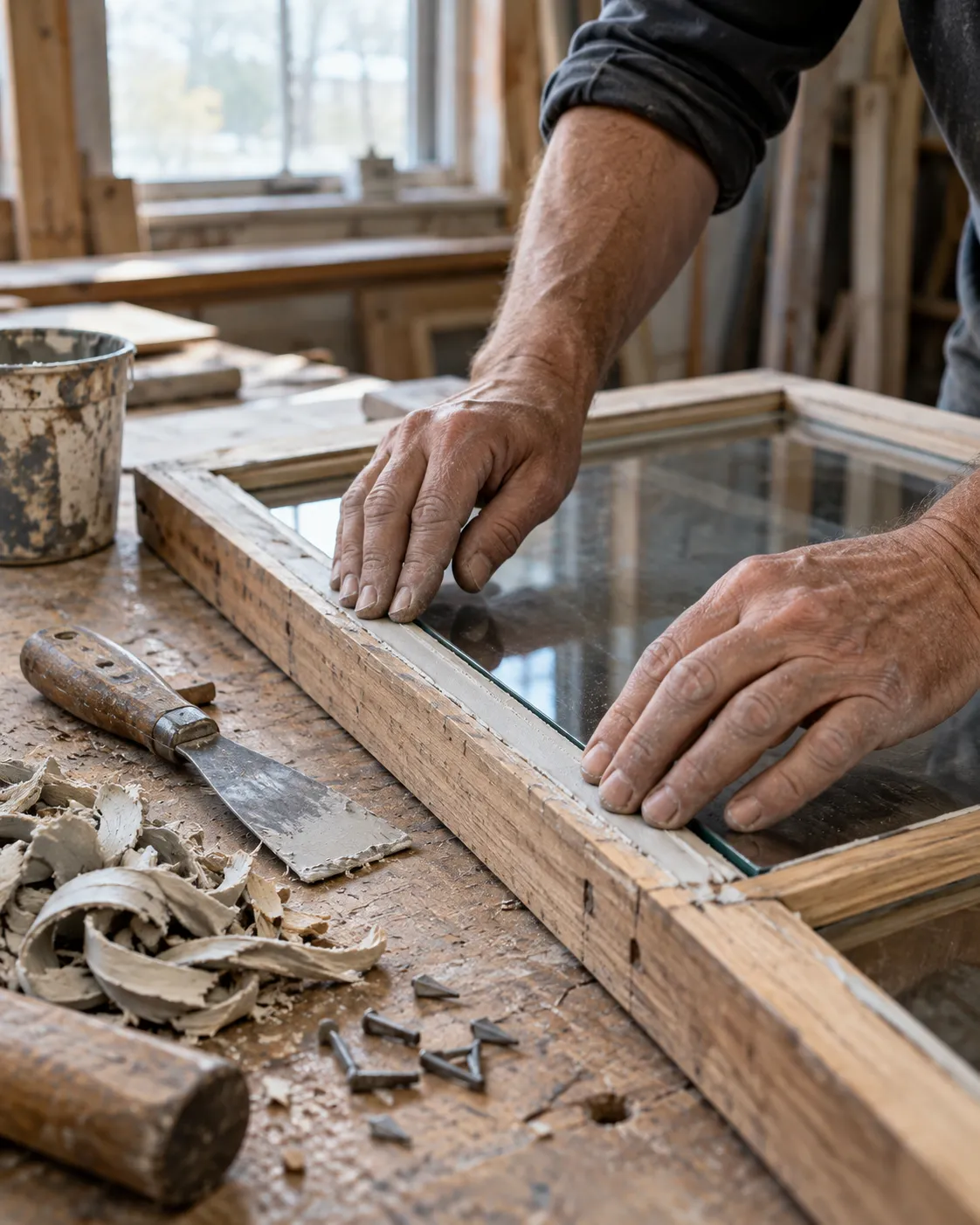
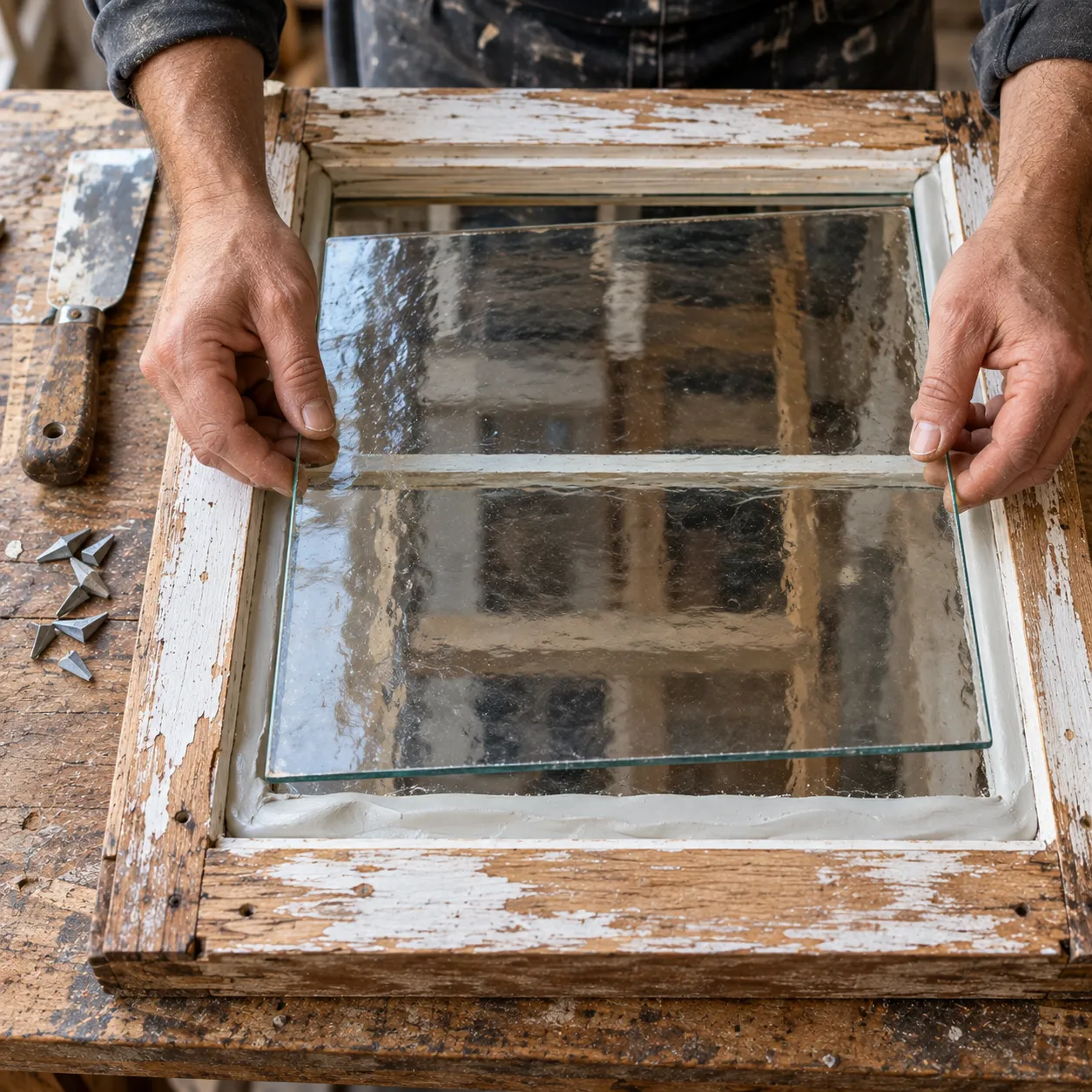
Reglazing is the repair for a wood window whose putty has cracked, shrunk or fallen out. We cut out the old putty, take out and re-bed the glass, and paint the new putty back to a weathertight seal.
The glazing putty is the angled bead of compound that holds a pane into its sash and seals the joint against water. When it dries out and lets go, rain gets into the frame and the sash starts to rot from the glass line down. The National Park Service's Preservation Brief 9 says failed putty lets “water to saturate the wood, especially at the joints,” and that moisture is “the primary contributing factor in wooden window decay.” Reglazing stops that before it becomes carpentry. It is also what makes an exterior paint job last, because paint over loose putty fails at the glass line first.
Most of the windows we see look worse than they are. Brief 9 warns that peeling paint “should not… be mistakenly interpreted as a sign that the wood is in poor condition and hence, irreparable.” We look at every window before quoting and tell you which ones need putty, which need something we do not do, and which are not worth restoring. We start close to our shop in Morganville — Marlboro, Holmdel, Freehold, Middletown and the rest of Monmouth County — and travel further for larger jobs.
What We Reglaze, and What We Do Not
Window work splits into jobs with different trades behind them. Here is exactly where we fit, so nobody books a visit we cannot finish.
Wood-Window Reglazing — yes
New putty, the glass re-bedded and the sash painted back to a seal. This is the job this page is about, and it is what we do best alongside exterior painting.
Cracked or Broken Single Panes — not on our own
Cutting and fitting replacement glass is a glazier's trade. We will tell you what the pane needs and work with a glazier on it, rather than quoting it as ours.
Fogged Double-Pane Units — no
A misted insulated unit has a failed seal and needs the whole unit replaced, with its own supplier and its own warranty. That is a different offer from renewing putty.
Rotted Sash, Cords & Hardware — not ours
Rot repair, sash cords, pulleys and hardware are carpentry, not glazing. We check for them and tell you what we find, but they are a separate job and a separate quote — never folded into a reglazing price.
Metal & Vinyl Window Systems — only where supported
Steel, aluminium and vinyl windows use system-specific glass and gaskets. We take these on only where we know the system, and say no where we do not.
Skylights & Specialty Glass — referred out
Roof glazing, safety glass and custom units carry leak and code risk we are not set up for. We will point you to someone who is.
How We Reglaze a Window
The same six stages on a single porch sash and a whole house of divided lights.
Look at Every Window
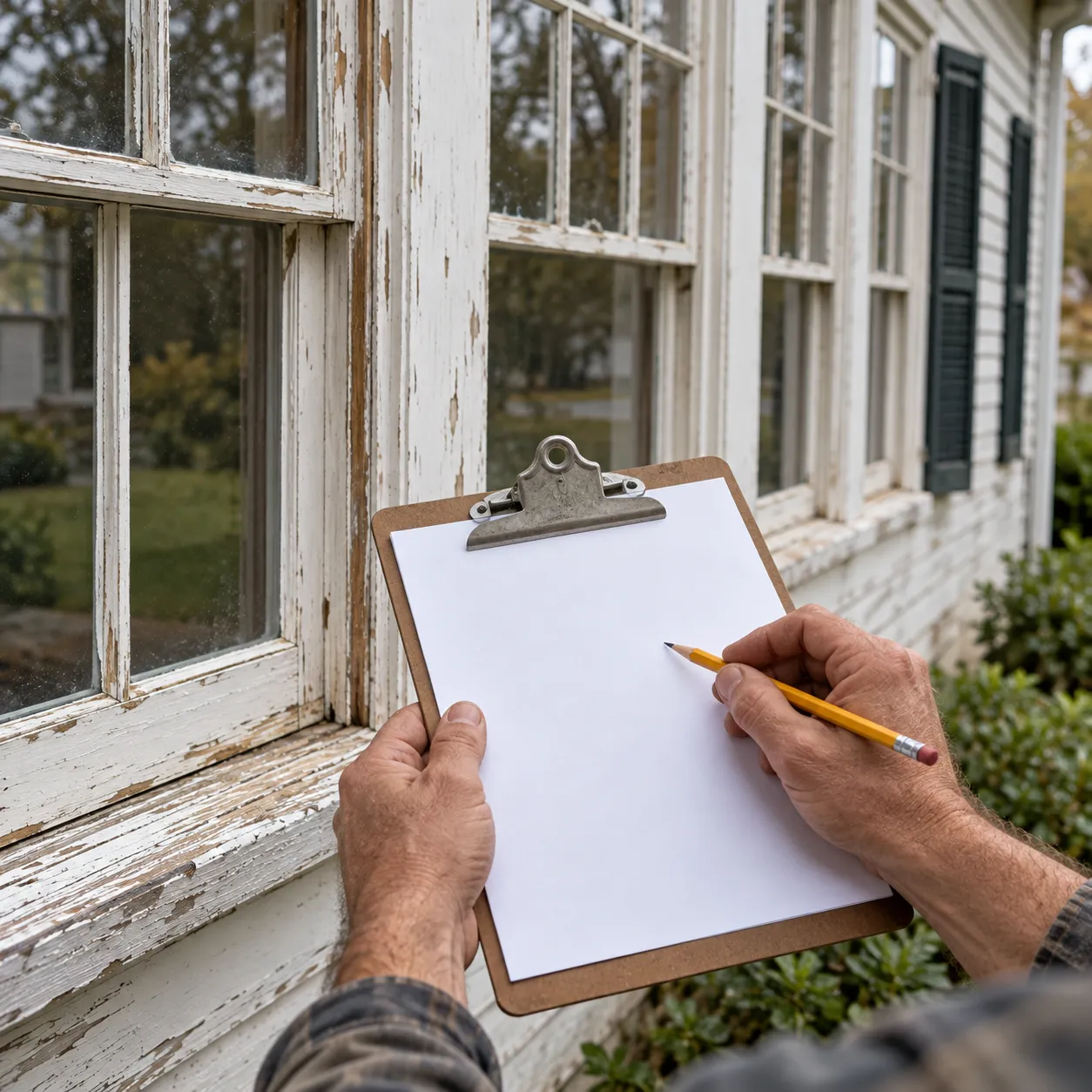
We go window by window and record the state of the putty, the paint, the glass and the wood, then put it in writing so you can see what each one needs before anything starts.
Remove the Old Putty
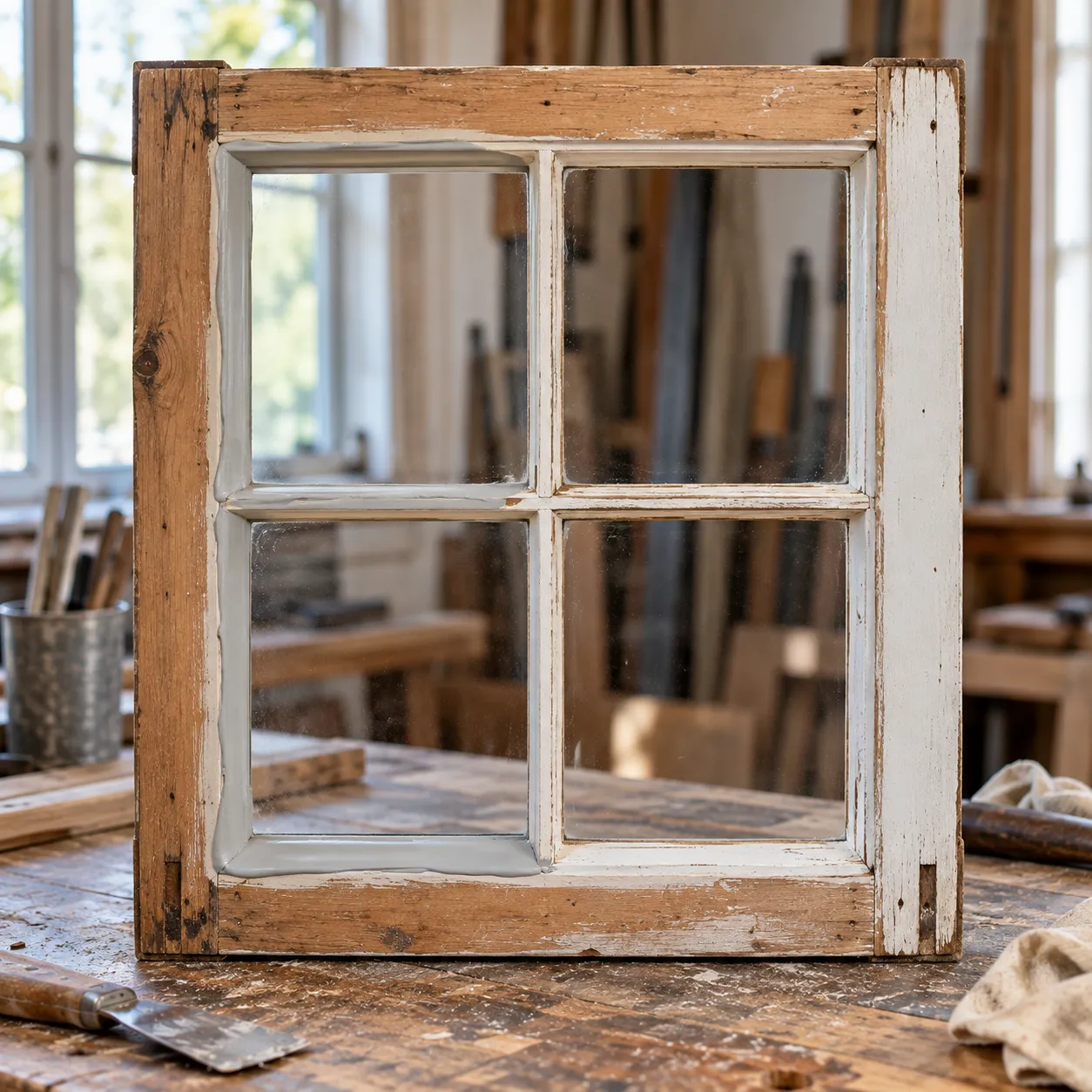
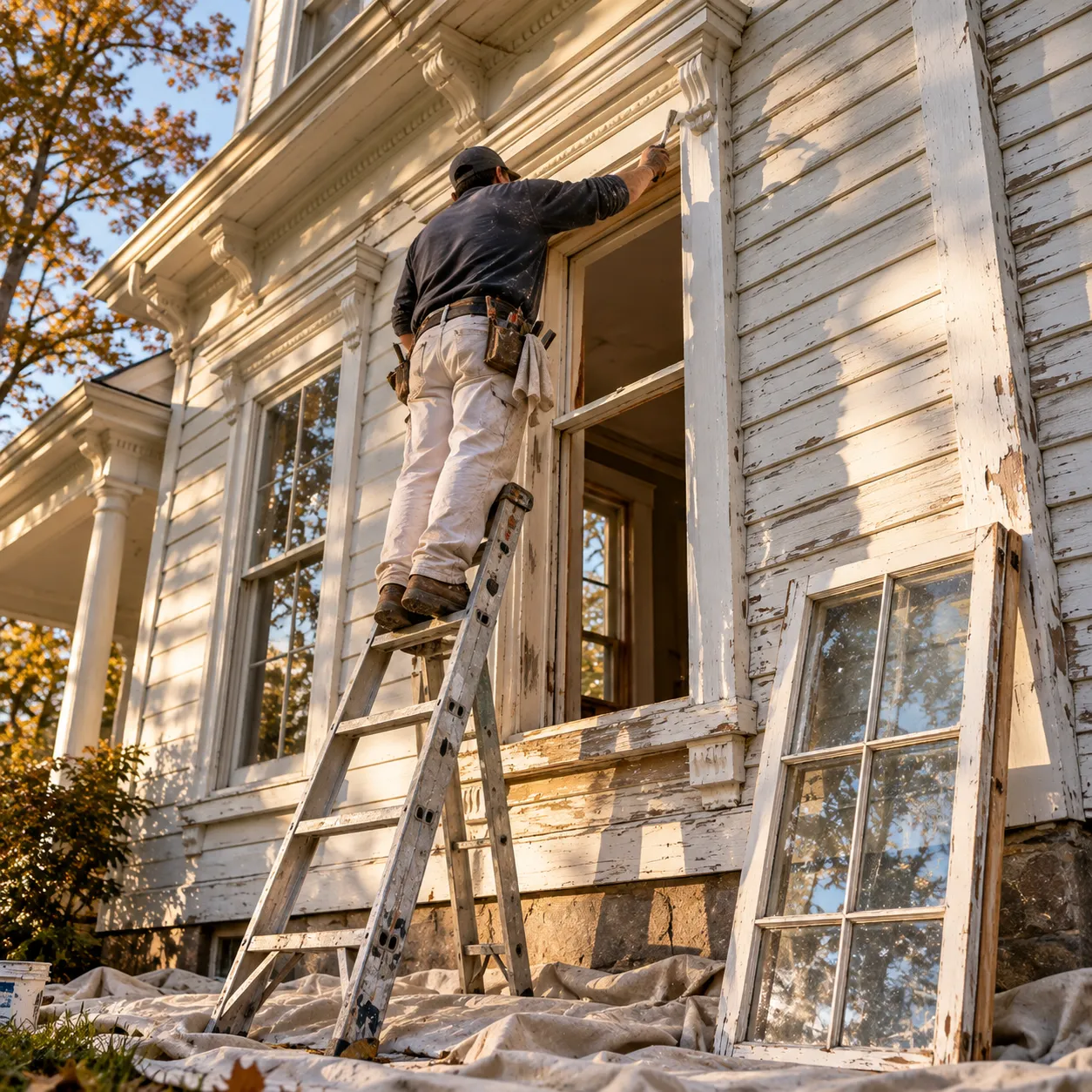
Stops come off, the sash comes out where it needs to, and the failed putty and glazing points are taken out by hand. Panes worth keeping are numbered so they go back where they came from.
Clean & Prepare the Rabbet
The groove the glass sits in is cleaned back to sound, dry wood. Putty laid into a dirty or damp rabbet will not hold, so this is where the time goes.
Oil & Prime the Bare Wood
Brief 9 is explicit that glazing compound belongs only on wood "brushed with linseed oil and primed with an oil based primer or paint." Dry, bare wood pulls the oil out of new putty and the repair fails in a season.
Bed, Point & Bevel
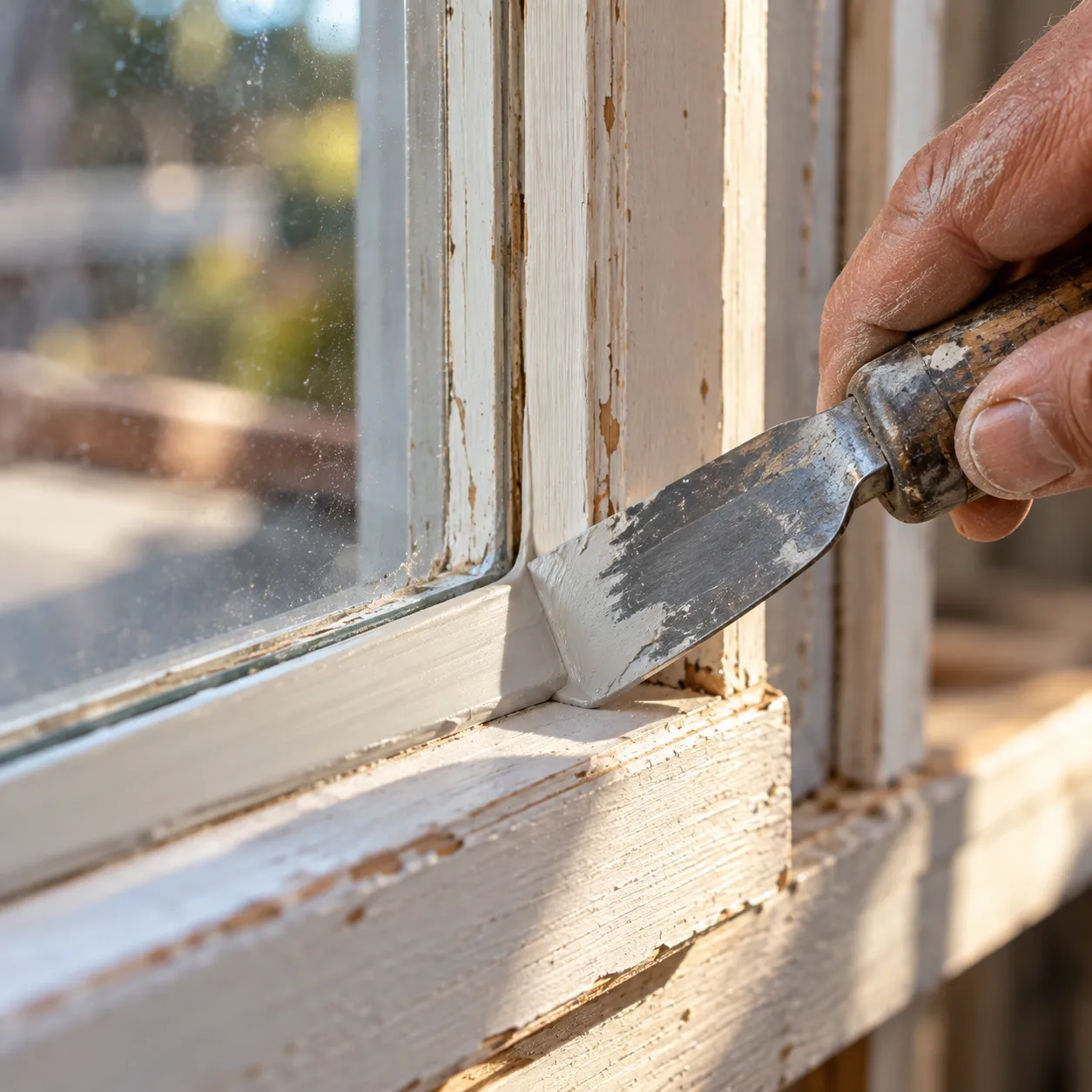
A bed of putty goes round the rabbet, the pane is pressed into it, glazing points are set to hold it, and the face putty is beveled to a clean line at the sight line.
Cure, Paint & Rehang
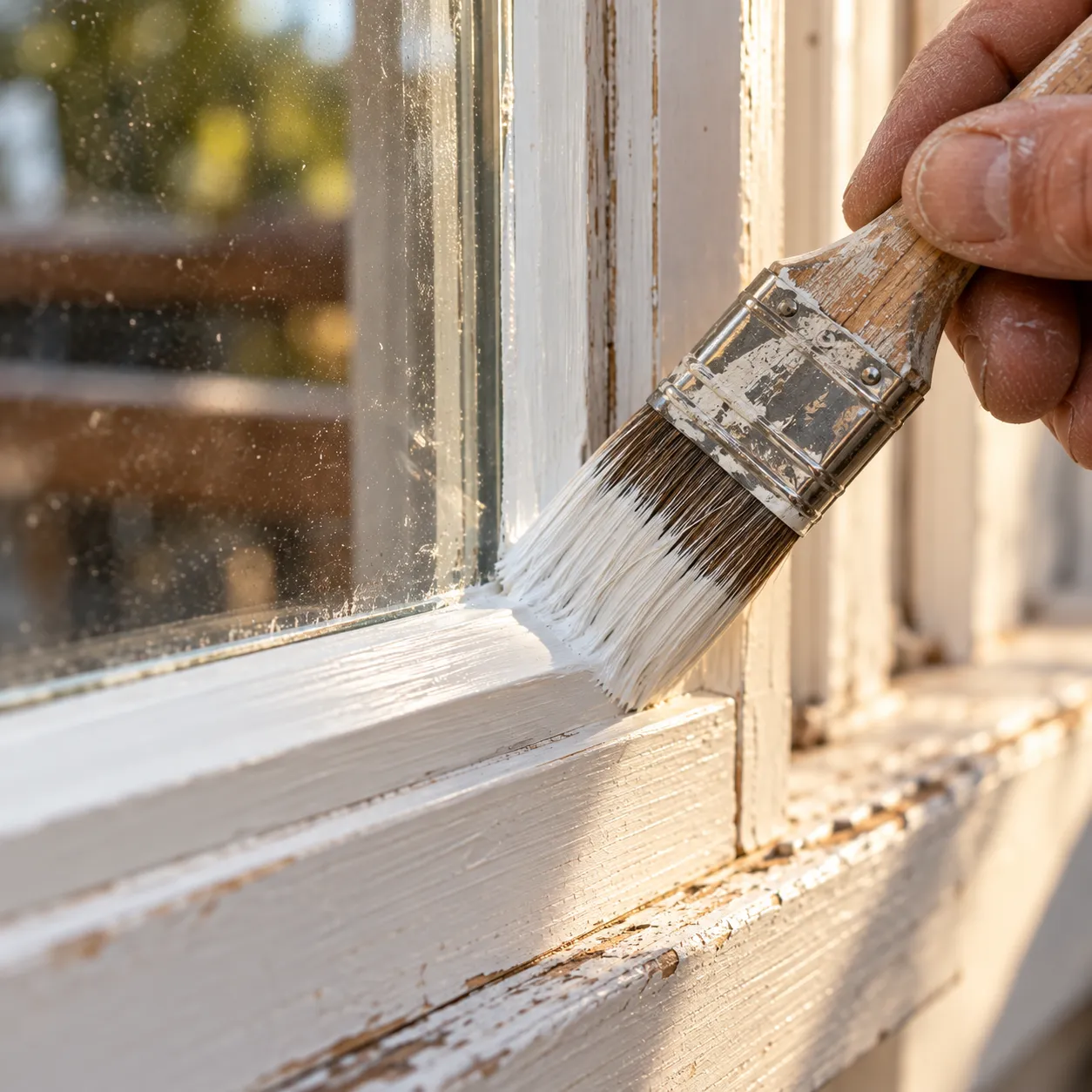
The putty is left to skin, then painted with the film lapped slightly onto the glass to seal it. The sash goes back and we check it opens and closes properly.
What Goes Into Your Sash
The compound is chosen for the window and the weather, not for how fast we can get off site.
Linseed Oil Putty
The traditional compound for wood sash and the right answer on an old window. It stays slightly flexible for decades and can be cut out and renewed again later. It is also the slowest to cure.
Modern Glazing Compound
Reaches a paintable skin faster than traditional putty and is easier to work in cooler weather. Used where a window needs to go back into service quickly.
Back Putty & Bedding
The bed behind the glass is the half nobody sees and the half that stops condensation running down into the joinery. We re-bed the pane rather than face-puttying over a loose one.
Paint as the Seal
Unpainted putty dries out and fails early. The finish coat carried a hair onto the glass is what actually weatherproofs the joint, so painting is part of the repair, not a nicety.
Reglazing on an Older New Jersey House
Original wood sash is worth keeping for reasons beyond cost — wavy old glass, muntin profiles no catalogue window reproduces, and the proportions that make a facade read correctly. Renewing the putty is the repair that buys those windows another few decades.
On a house built before 1978 the paint on those sash is very likely to contain lead, and reglazing disturbs exactly that paint. Ask us — and anyone else you are considering — how the work area is contained and cleaned, and what certification the crew holds, before work starts. Our guide to painting historic homes in NJ covers how the same thinking applies to the rest of the exterior, and the lead paint guide explains the rules in more detail.
- Original Glass Retained
- Muntin Profiles Matched
- Divided Lights & Six-Over-Six
- Transoms, Sidelights & Porch Sash
- Written Per-Window Scope
- Staged Across Seasons
The NJ Painting Co. Difference
Reglazing sits exactly where painting and carpentry meet, which is why so few companies offer it properly.
A Painting Company That Reglazes
Glazing and painting are one job. Brief 9 is clear that compound only goes on oiled and primed wood, and that the finish has to lap onto the glass to seal it. We control both ends, so nothing is glazed over bare wood and nothing is left unpainted.
We Schedule Around the Cure
Putty has to skin before it can be painted — days, not hours. We work windows in batches and run other exterior work while they set, so the waiting comes out of the schedule instead of being added to it.
We Say What We Do Not Do
Fogged units, replacement glass, rot repair and skylights are all different jobs with different trades behind them. You get told that at the estimate, not after a deposit.
Written, Window-by-Window Scope
The estimate lists each window and what it needs, so you can see exactly what you are paying for and stage the work across more than one season if you would rather.
Original Glass Kept
Old panes come out by hand, get numbered, and go back into the openings they came from. Wavy original glass is part of why an old window is worth keeping.
Better Bundled
Reglazing is most economical as part of an exterior repaint or across several windows in one visit. One crew, one schedule, one trip — which is how we keep the per-window price sensible.
Window Reglazing Questions
What homeowners ask us most about reglazing old windows — including the jobs we send elsewhere.
Reglazing means cutting out the old, failed glazing putty around a pane of glass, re-bedding the glass on fresh compound, setting new glazing points and beveling a new putty line, then painting it. It is the repair for a wood window whose putty has cracked, shrunk or fallen away. It is not the same as replacing the glass, and it is nothing to do with bathtub or tile reglazing, which we do not offer.
Look at the angled putty line where the glass meets the wood from outside. If it is cracked, crumbling, pulling away from the glass, missing in sections, or the pane rattles when you tap it, the glazing has failed. Peeling paint along the bottom rail and dark staining on the sill usually follow. Send us photos with your enquiry and we can tell you a lot before we visit.
Not on our own. Cutting and fitting replacement glass is a glazier's trade, and we would rather work alongside one than quote you for something outside what we do. We will tell you clearly what the pane needs. Renewing the putty around sound glass is ours.
No. A fogged window means the seal on the insulated glass unit has failed, and the fix is a new unit with its own supplier and warranty. It is a different job from renewing putty on a wood sash, and we do not want to sell you one when you need the other.
The wood has to be sound before new putty goes anywhere near it, so the rot has to be put right first — and that is carpentry rather than glazing, so it is a separate job and a separate quote. We probe the sash and sills at the estimate and tell you plainly what we find and which windows are worth it, rather than reglazing over soft wood and letting you discover it next winter.
Longer than people expect. Preservation Brief 9 puts the skin that allows painting at usually two or three days, and traditional linseed oil putty can need considerably longer in cold or damp weather. That is why we work in batches, with the windows setting while we get on with something else.
Because the paint film is what weatherproofs the putty. Preservation Brief 9 says exterior paint "should cover the beveled glazing compound or putty and lap over onto the glass slightly to complete a weathertight seal." That thin line of paint on the glass is not sloppy work — it is the seal.
For a sound wood sash with failed putty, reglazing is the smaller, cheaper and less disruptive repair, and it keeps original glass and muntin profiles that a stock replacement will not match. Preservation Brief 9 concludes that "the repair and weatherization of existing wooden windows is more practical than most people realize." But if a window is genuinely past saving, replacement is the honest answer and we will say so.
Only where we know the system. Steel, aluminium and vinyl windows use system-specific glass and gaskets rather than putty, so the work is different and the parts matter. Tell us what you have and we will say straight away whether it is something we can take on.
Per sash rather than per square foot, because it is hand work and a small window can take as long as a large one. The two things that move it are how many panes are in each sash — a six-over-six takes far longer than a single pane — and whether the sash needs anything before it can be glazed. It is most economical across several windows in one visit or as part of an exterior repaint. Ask us about the job minimum when you enquire.
It is the right question. Paint on sash in homes built before 1978 is very likely to contain lead, and reglazing disturbs exactly that paint. Ask any contractor you are considering, us included, how they contain and clean up the work area and what certification they hold, and get the answer before work starts.
Your ZIP code, what kind of windows you have, roughly how many need attention, and photos of the worst one or two. Close-ups of the putty line tell us most of what we need. With that we can usually tell you whether it is a reglazing job before anyone drives out.
Still have questions?
Can't find the answer you're looking for? Give us a call or send a message.